The line between coping with a disability and masking it is something I’ve been thinking about a lot lately. It’s that blurry space where healthy adaptation meets harmful pretending, and I’ve found myself on both sides of that line more times than I can count. When my chronic pain and autoimmune issues first developed, I approached them like I did my anxiety years before—something to “manage” and “work through.” But I quickly discovered that the strategies that helped me navigate mental health challenges weren’t always applicable to physical disabilities, and sometimes what I thought was coping was actually masking.
What’s the Difference?
Let me break down how I’ve come to understand the distinction:
Coping is acknowledging your disability and finding genuine ways to live well within your reality. It’s saying, “Yes, this is my circumstance, and here’s how I’m adapting to thrive.”
Masking is pretending the disability doesn’t exist or isn’t as significant as it truly is. It’s saying, “I’m fine” when you’re not, pushing through severe pain to appear “normal,” or hiding accommodations you genuinely need.
When I’m Coping vs. When I’m Masking
I know I’m
coping when:
- I openly use my mobility aids when I need them, without shame
- I plan rest days before and after high-energy activities
- I communicate my needs clearly: “I need to sit down now” or “I can’t make it to that event”
- I find creative alternatives that work within my limitations
I recognize I’m
masking when:
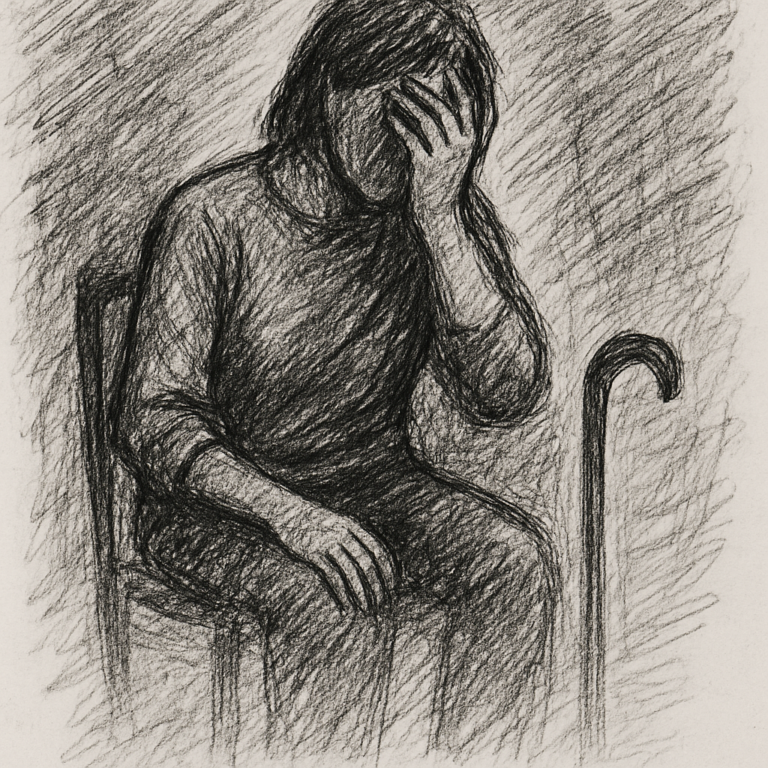
- I hide my pain until I’m alone, then collapse
- I push through activities that I know will cause days of payback
- I make excuses instead of being honest about my limitations
- I feel resentful about having to pretend I’m okay
The Family Factor
My family’s approach to disability has significantly shaped how I navigate this line. When my physical illness first surfaced, my parents struggled to accept my new limitations. There was always this underlying current of “but have you tried pushing yourself a little more?” or “maybe you’re just not trying hard enough.” I remember one family gathering where I was in considerable pain but pushed through because I didn’t want to deal with the disappointed looks or well-meaning but unhelpful suggestions. By the time I got home, I couldn’t move for three days. That wasn’t coping—that was masking to meet others’ expectations, and it cost me dearly.
The Emotional Impact
Masking doesn’t just exact a physical toll—it creates emotional damage too. When we constantly hide our true experiences, we start to split into parts: the public self that performs “wellness” and the private self that carries the burden of reality. In therapy, I’ve explored how these different parts of me interact. The controling part that masks to avoid judgment. The vulnerable part that needs rest and accommodation. The authentic part that wants to live honestly with my disability. Understanding these parts has been crucial to moving from masking toward healthier coping. If you’re working through similar challenges, exploring these different aspects of yourself can be incredibly revealing. (I created the
Parts in Me cards to visualize and work with these different aspects.)
Society’s Role in Pushing Masking
Let’s be honest: we live in a society that rewards those who “overcome” or “don’t let their disability define them”—phrases that often translate to “please hide your disability so we don’t have to acknowledge it.” There’s a fundamental difference between not being limited by your disability and pretending it doesn’t exist. True empowerment comes from acknowledgment, not erasure. I used to think being “strong” meant never showing weakness. Now I understand that true strength is being honest about my needs and limitations—even when it makes others uncomfortable.
Moving from Masking to Coping
If you’ve recognized masking behaviors in yourself, here are some steps that have helped me shift toward healthier coping:
- Practice radical honesty – Start with yourself, acknowledging your true limits and needs
- Set boundaries – It’s okay to say no or to request accommodations
- Find your community – Connect with others who understand your experience without judgment
- Track your energy and symptoms – Notice patterns to help you make decisions that support your well-being
- Challenge internalized ableism – Question beliefs that make you feel your worth is tied to productivity or appearing “normal”
Working with emotions around disability can be complex. (Sometimes using tools like
Emotions in Time cards helps connect with how my relationship to my disability changes—there are moments I feel at peace with it, and others where I struggle with acceptance.)
The Liberation of Authentic Coping
There’s something profoundly liberating about letting go of the mask. Yes, it means being vulnerable. Yes, some people won’t understand and it may feel like you’re “leaning into” the struggles. But living authentically with your disability creates space for genuine connection and self-acceptance. When I stopped hiding my mobility aids, I discovered how many people in my life were willing to adapt plans to include me. When I started being honest about my energy limitations, I found deeper connections with friends who appreciated my authenticity. Coping doesn’t mean you’ve “given in” to your disability—it means you’ve given yourself permission to live truthfully within your reality. And that truth opens doors to possibilities that masking never could. The journey from masking to coping isn’t linear, and I still find myself slipping into old patterns sometimes, especially around certain family members or in professional settings. But each time I choose authentic coping over masking, I reclaim a piece of myself that disability didn’t take—but that pretending did. What about you? Have you noticed patterns of masking in your life? What would it look like to move toward more authentic coping? I’d love to hear your thoughts.