Open what They can't Yet.
From session one.
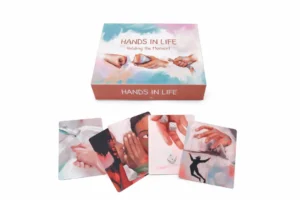
A card-and-dice tool that gives clients a concrete, low-pressure way in — before they have the words.
1
Session to open up
∞
Modalities it works with
The client who wants to talk - but can't yet.
You ask. They shrug. They say “I don’t know.” Not because they’re resistant — because they don’t know how to begin.
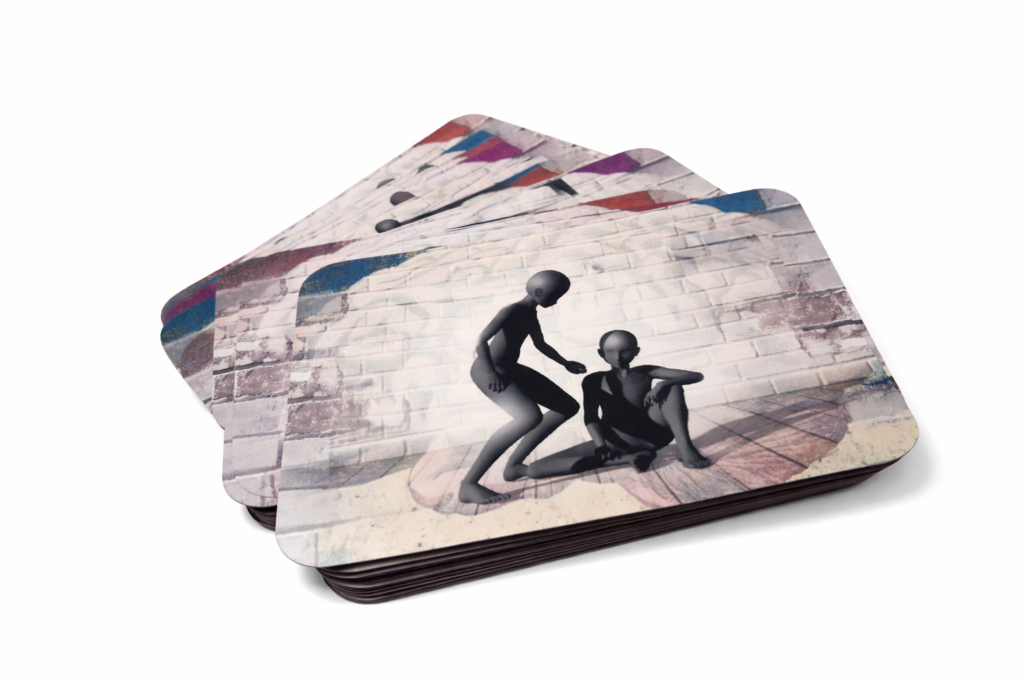
Hands in Life gives them something easier to start with: a memory. A moment. Something that actually happened. From there, everything follows.
"I've tried a lot of tools. What keeps this one on the table is how specific it gets, a card with hands in a moment you recognize, a dice that gives it context. Clients don't feel interviewed and things just surface."
— Martha K. Psychotherapist, 14 years in private practice
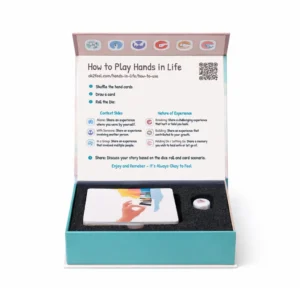
Six dimensions of experience.
Not a gimmick – clinical structure. By searching memories through a specific relational or emotional lens, you bypass the vague responses that “how do you feel” tends to produce.

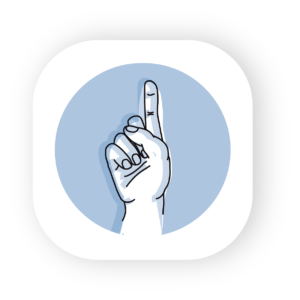
Alone
An experience where you were or felt by yourself
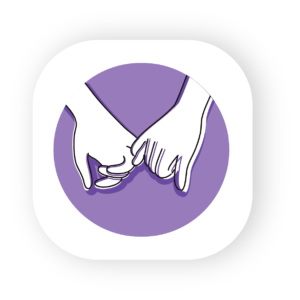
With Someone
An experience involving another person
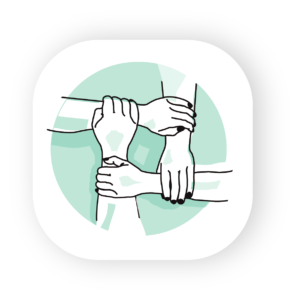
In a Group
An experience that involved multiple people
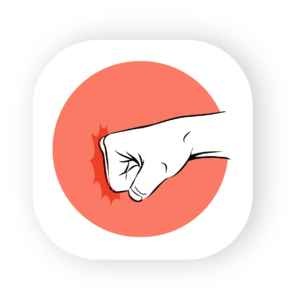
Breaking
A challenging experience that hurt or held you back
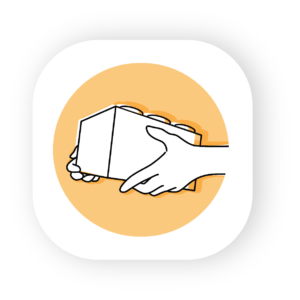
Building
An experience that contributed to your growth
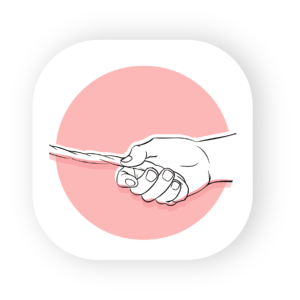
Holding On
An experience you wish to hold onto or let go of
Individual sessions
Couples work
Group therapy
Adolescents
Trauma-informed
CBT
ACT
Narrative therapy
Somatic work
Coaching
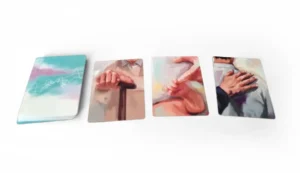
Hands are universal
Every client has a story about hands. A hand held. A hand let go. A hand at work, at rest, reaching.
The images are deceptively simple — but the memories they surface often go straight to the material that matters.
From therapists
who use it.
"The images are deceptively simple (and beautifu!l). Just hands. But the memories they pull up - I've had clients go places in session three that I wouldn't have expected until month three."
— Clinical psychologist, private practice
"The cards are lovely… the feelings speak through the illustration. My patients really connected and even asked for them the week after."
— Danielle, Psychotherapist
"Strong, powerful, provoking a reaction and helping to develop a direct dialogue about the complexity of feelings and experiences."
— Sophia, Psychotherapist
Questions from clinicians.
Answers from practitioners who use Hands in Life in their work.
Do I need to explain it to my client first?
Not really. Most therapists introduce it in one sentence: "Pick a card and roll the dice." No clinical framing required — which is part of what makes it work.
My clients resist "exercises". will this feel like one?
Rolling a dice and picking a card doesn't read as a therapeutic exercise — it reads as an invitation. Resistant clients engage because there's no emotional demand attached to the action itself.
Does it stay useful beyond the first session?
Yes. The same card & dice pulled at a different moment in therapy often surfaces completely different material. Therapists report using it consistently across months of work with the same client.
What's inside the box?
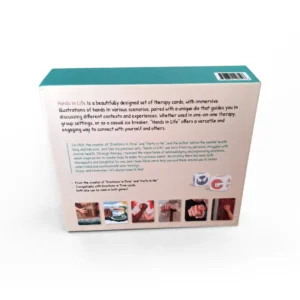
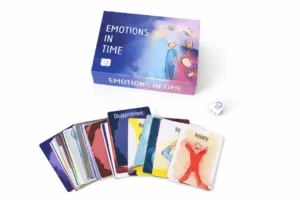
52 illustrated hand cards, the context dice, a usage guide, and a high-quality magnetic box designed to look right in a therapy room — not like a children's game.